
Capabilities
Reduce today's losses. Prevent tomorrow's.
What we do for solar assets at each stage of their life: plants already operating, plants being designed and built, and the factories that make the modules. Not every anomaly warrants intervention. We assess the cost of inaction, prioritise by expected net benefit, and verify the outcomes, turning measured results into better decisions and fewer recurring losses.
Who we serve
What we do at each stage of a solar asset's life
Asset owners & O&M
Operating plants
Schedule cleaning, repairs and replacements on what they recover, and stop paying for low-value work.
See howDevelopers & EPCs
Deploying plants
Rank layout, tilt, row spacing, mounting height and module choice by whole-of-life cost, not just first-year yield.
See howModule manufacturers
Manufacturing plants
Trace field failure modes back to bills of materials, supplier batches and lamination windows before warranty costs arrive.
See howOutcomes
Lower lifecycle cost. More delivered energy. Longer useful life.
Targeted inspections
Fleet-wide screening directs detailed diagnostics where they matter most.
Value-driven maintenance
Prioritise interventions by recoverable energy, cost and risk.
Evidence-led prevention
Trace degradation and intervention outcomes to inform future design and maintenance.
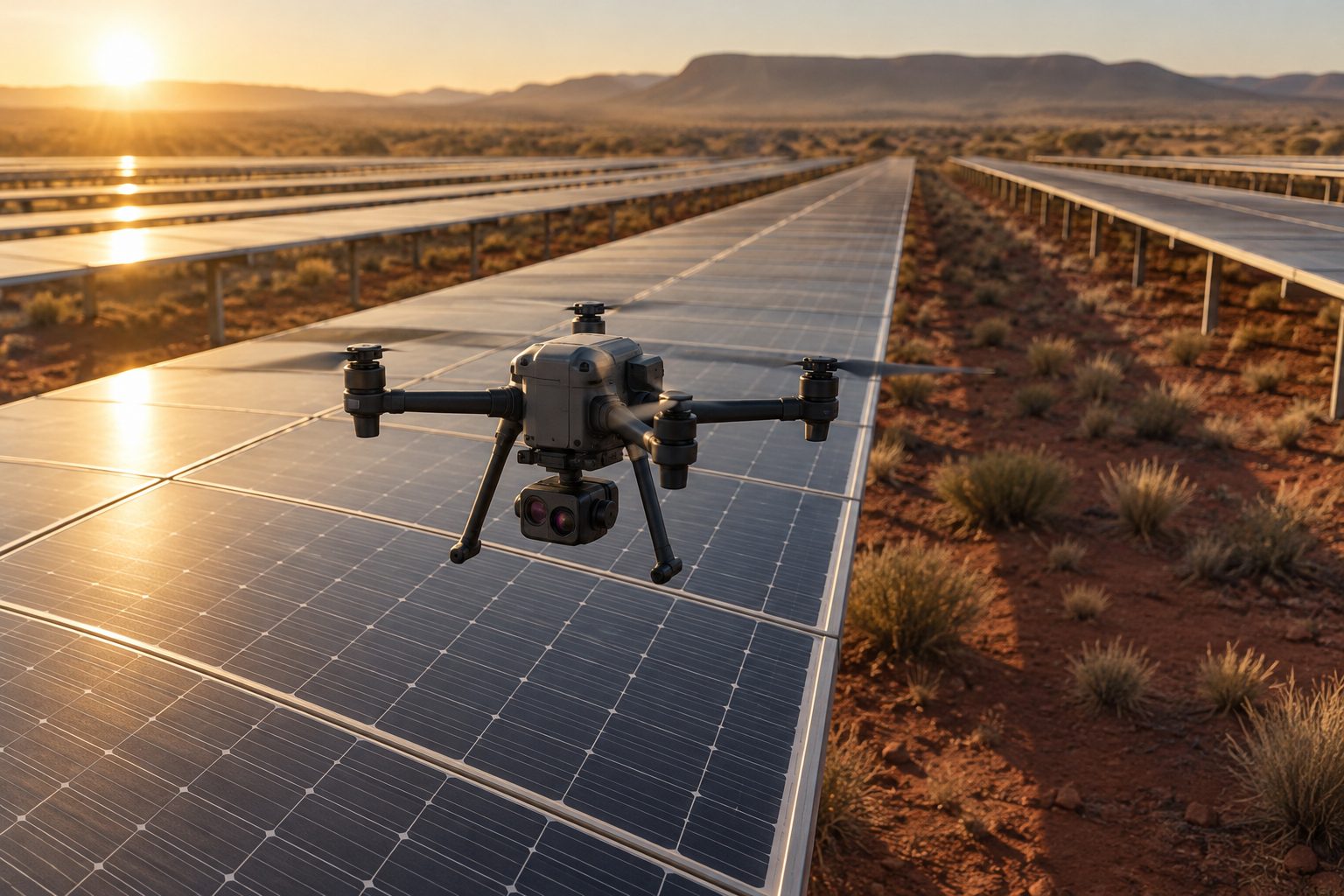
01 / Operating plants
Recover energy. Avoid unnecessary work.
A detected anomaly is not automatically a work order. We combine existing plant data with scalable screening, escalating to detailed diagnostics only when further evidence could change a decision. Interventions are ranked by expected energy recovery, cost and risk, then evaluated against measured outcomes.
- Distinguish actionable losses from environmental and operational effects.
- Match diagnostic effort to the value of the decision.
- Verify recovery and use the results to refine future priorities.
Decisions supportedClean · Reinspect · Repair · Replace · Defer
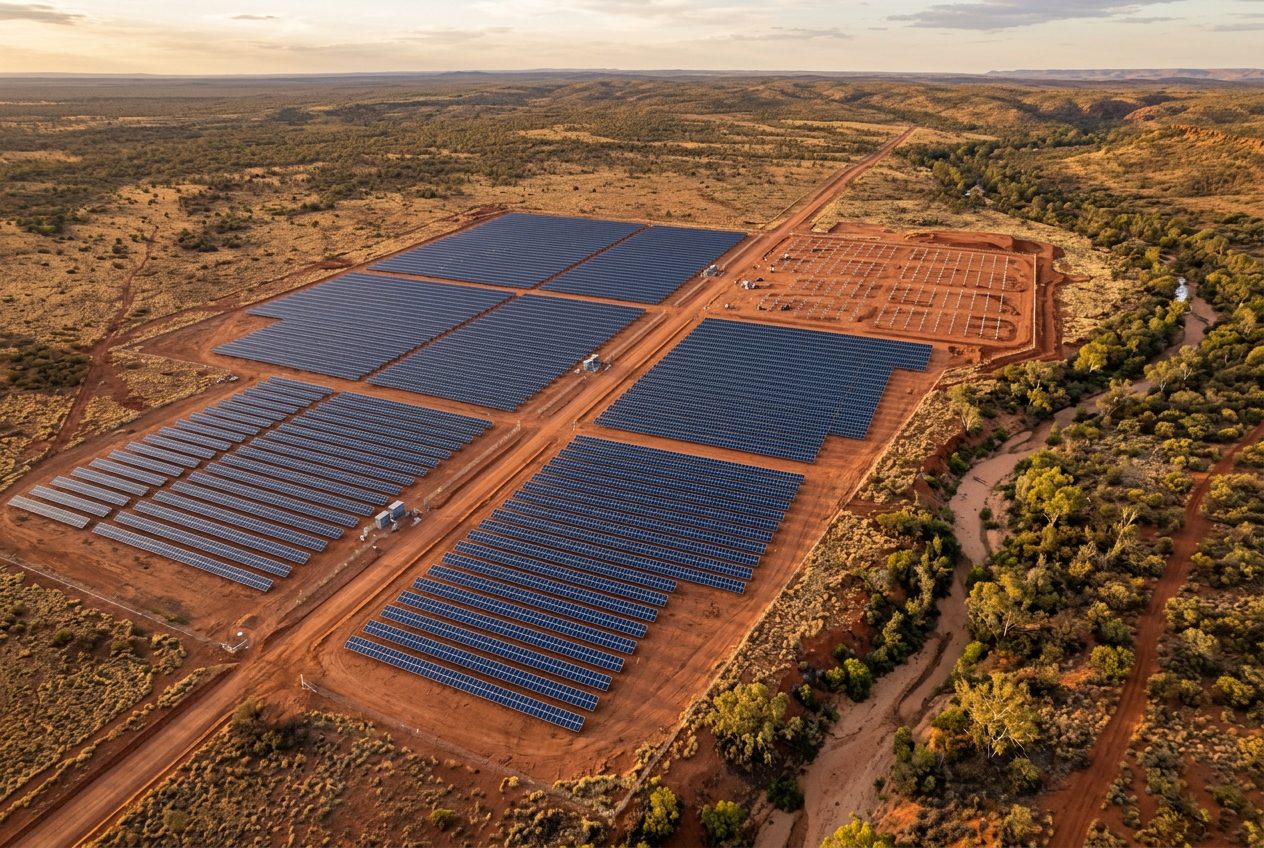
02 / Deploying plants
Avoid costs before they are built in.
Losses observed in operating plants reveal risks that conventional yield models may overlook. We translate comparable field evidence into site-specific design scenarios, evaluating material suitability, configuration and maintainability against lifetime energy and cost. Key assumptions remain traceable for validation once the plant is operational.
- Identify degradation risks under local environmental conditions.
- Compare design alternatives by lifetime value, not upfront cost alone.
- Carry design assumptions into commissioning and performance monitoring.
Decisions supportedModule selection · Layout · Mounting · Maintenance access
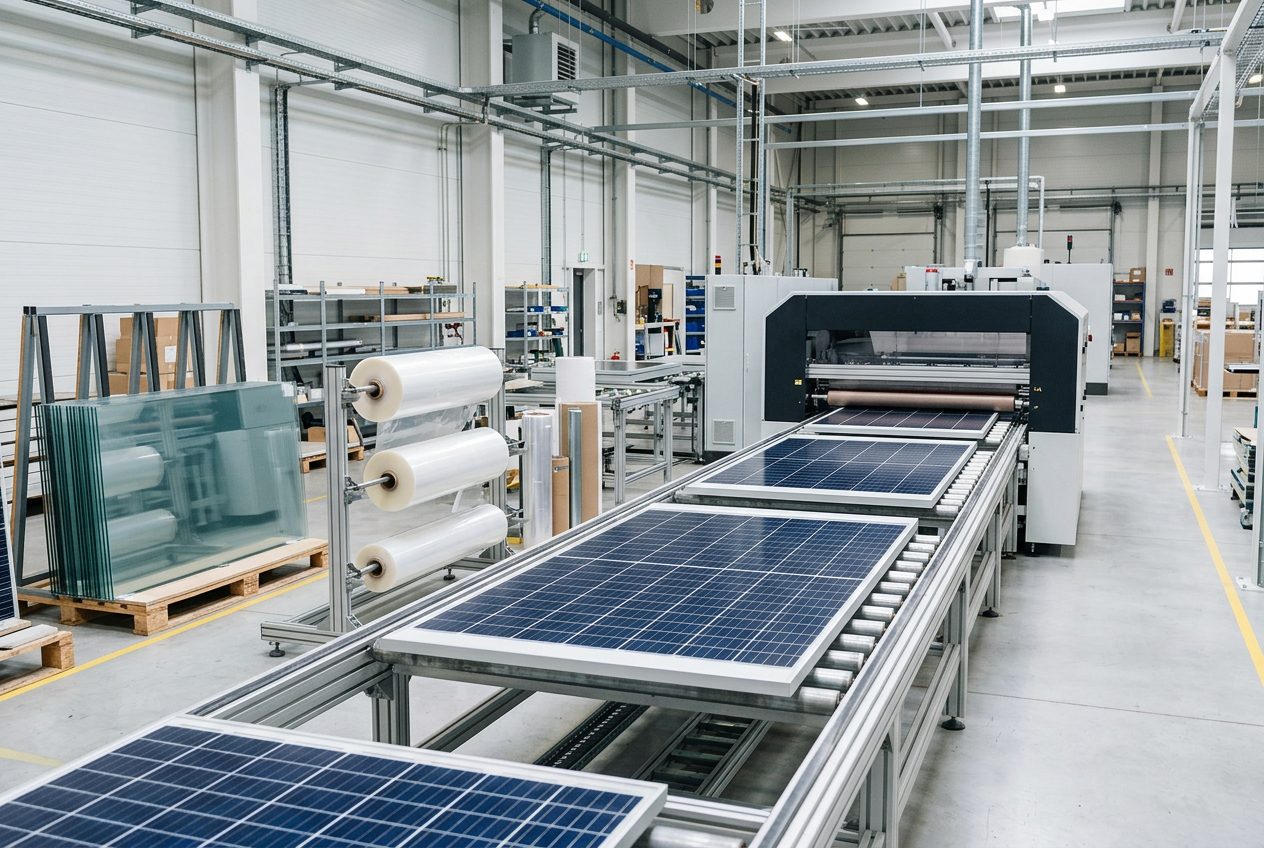
03 / Manufacturing plants
Prevent recurring failures at the source.
Recurring field failures can reveal opportunities to improve materials and production. By comparing performance across matched environments and batches, we investigate potential links to material selection and process conditions. Targeted validation then supports changes that can reduce future defects, rework and warranty exposure.
- Separate environmental effects from material and batch variation.
- Focus testing on suspected causes with the greatest economic impact.
- Validate corrective measures before wider production changes.
Decisions supportedMaterial specifications · Process optimisation · Batch QA · Product design